The preventative servicing philosophy
In modern fleet maintenance, components are often swapped according to mileage algorithms. With historic rally cars, mileage tells only a tiny fraction of the story. Ten miles through an unpaved forest track in heavy dust induces more bearing friction and shock loading than two thousand miles of motorway cruising. Preventative servicing in our workshop is based on physical observation, fluid analysis, and mechanical tolerance tracking.
The goal is simple: replace or recondition a component when it shows the first indicators of fatigue, long before it breaks and takes adjacent, irreplaceable period castings down with it. A stripped differential pinion or a seized rocker arm in an out-of-production engine block can shelve a vehicle for an entire season while rare parts are sourced or custom-machined.
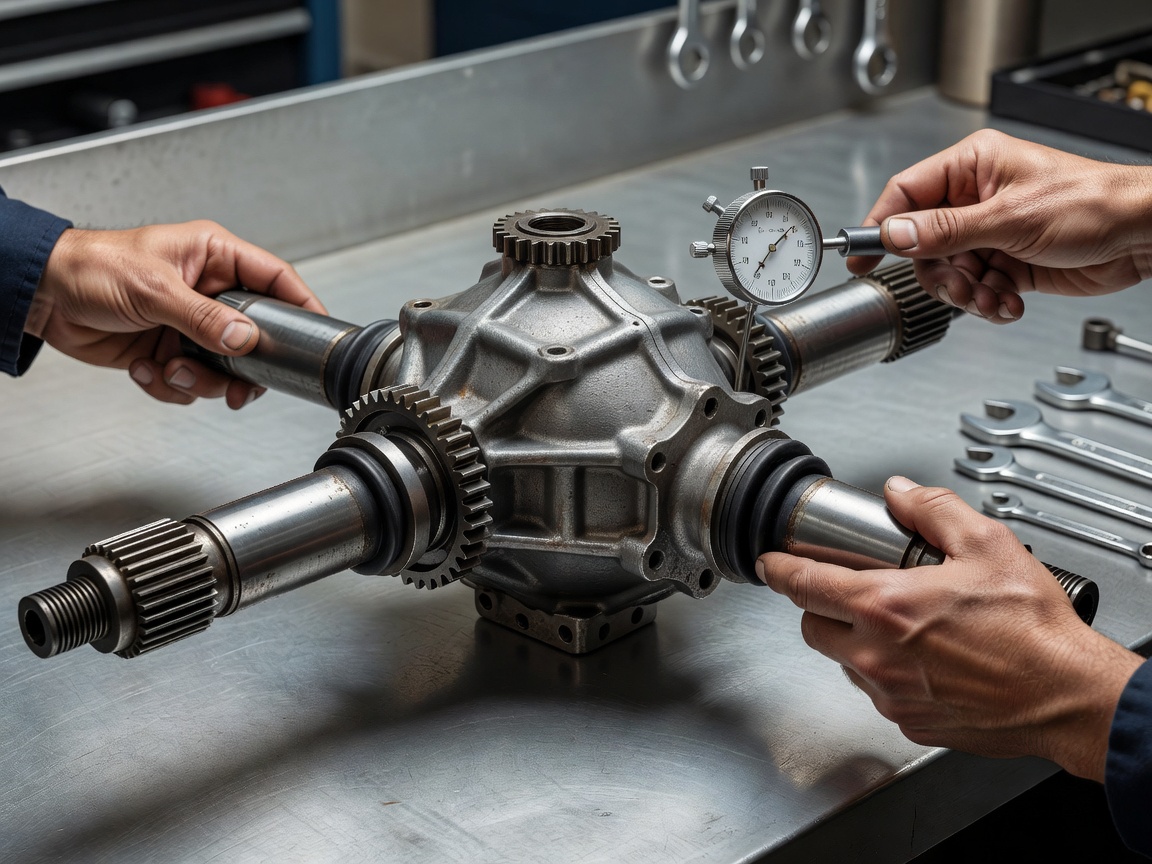
Drivetrain, gearbox, and differential inspections
Rally gearboxes take a beating. Quick downshifts during hairpins and harsh gravel launches place substantial shock loads through dog rings, synchros, and input shafts.
During routine intermediate servicing, we pull magnetic drain plugs and examine debris accumulation under magnification. Fine metallic sludge is common in competition units, but sharp chips or bronze flakes signal immediate attention. We measure gear lash, check selector fork play, and ensure that limited-slip differential plate pre-loads remain within appropriate friction limits. An LSD that has lost its friction lock leaves you spinning an inside wheel helplessly on loose switchbacks.
Rubber compounds, aged seals, and fluid chemistry
Time degrades natural rubber bushings, CV joint boots, and oil seals whether the car moves or sits. In fact, sitting stationery in a damp lockup is often worse for rubber components than regular exercise.
We inspect suspension bushings for core separation and hardening. Hardened bushings transfer uncontrolled vibration straight into chassis sheet metal, inducing stress fractures. We also pay strict attention to fluid chemistry. Classic competition engines require high zinc and phosphorus (ZDDP) concentrations to protect flat-tappet camshaft lobes from wiping out. Running generic modern synthetic oil with low ZDDP into a classic competition camshaft is one of the fastest ways to destroy a valvetrain.
Originality versus modern service replacements: The balance
Every historic car owner wrestles with this dilemma: when should you preserve the original component, and when is it smarter to fit a modern motorsport-grade alternative?
Where Originality Rules
Chassis architecture, cylinder head castings, period carburation layouts, and dashboard gauge faces should be preserved. These define the sensory character and historic identity of the car. We rebuild and tune original carburetors rather than casually replacing them with modern aftermarket units that ruin the period soul and violate technical regulations.
Where Modern Reliability Wins
Brake hard-lines (cupro-nickel replacements), competition-grade wheel studs, modern synthetic gear oils with appropriate copper-safe additive packages, braided stainless fuel hoses with barrier lining, and uprated alternator outputs. No one wins a trophy for retaining a fifty-year-old rubber fuel hose that weeps when warm.
Routine maintenance versus event-specific prep
It is helpful to separate routine servicing from event preparation. Routine maintenance covers baseline oil changes, valve clearance adjustments, compression tests, and chassis greasing every few months. Event prep, by contrast, focuses on the specific conditions of the upcoming rally.
If you are heading to a hot, dry Mediterranean tarmac event, servicing centers on brake rotor cooling, caliper seal heat resistance, and ducting airflow to the oil cooler. If you are preparing for wet Welsh gravel, the focus shifts to underbody sealing, mud scrapers, electrical damp-proofing, and soft-spring damping checks. Understanding this distinction prevents you from over-working the car in the wrong areas while neglecting the factors that will actually decide whether you reach the finish arch.